

Robotic Kidney Surgery: Benefits, Cost, Recovery & Why Choose Robotic Surgery?
Kidney problems that require surgery can naturally create many questions. Patients often want to know whether surgery is necessary, which surgical technique is safest, how much it will cost, and how quickly they can return to their normal routine.
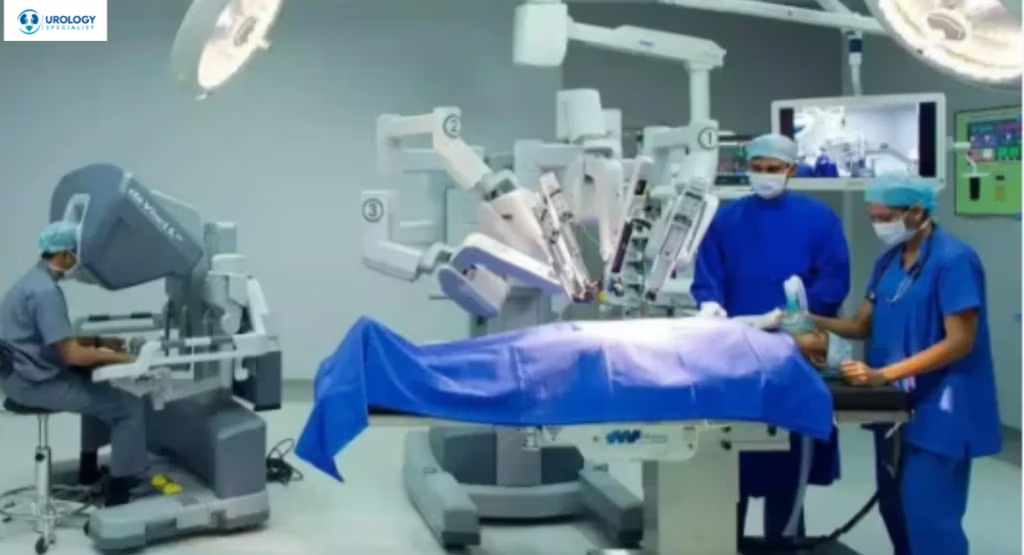
With advancements in urology, robotic kidney surgery has become an important minimally invasive option for selected patients. Procedures such as robotic partial nephrectomy and robotic nephrectomy can be performed using small incisions and advanced surgical instruments. The robotic system allows the surgeon to control the instruments with enhanced precision and a magnified 3D view of the surgical area.
If you are looking for the Best Urologist in Mumbai, it is important to choose a specialist who can evaluate your condition and explain whether robotic surgery is appropriate for your specific case.
What Is Robotic Kidney Surgery?
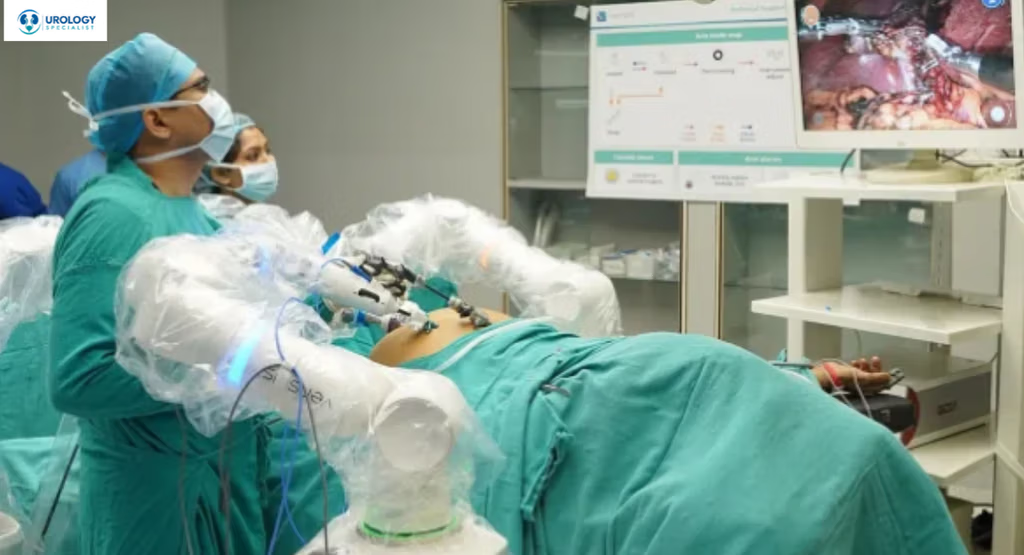
Robotic kidney surgery is a minimally invasive surgical technique in which the surgeon controls robotic instruments from a console. The robot does not perform the surgery independently; the surgeon controls every movement.
The technology provides enhanced visualization, precision and flexibility, which can be particularly useful when operating around delicate kidney structures and blood vessels.
Depending on the condition, robotic surgery may be used for procedures such as:
- Robotic partial nephrectomy
- Robotic radical nephrectomy
- Removal of selected kidney tumours
- Treatment of certain complex kidney conditions
- Selected reconstructive kidney procedures
The exact procedure depends on the patient’s diagnosis, tumour size and location, kidney function, anatomy and overall health.
What Are the Benefits of Robotic Kidney Surgery?
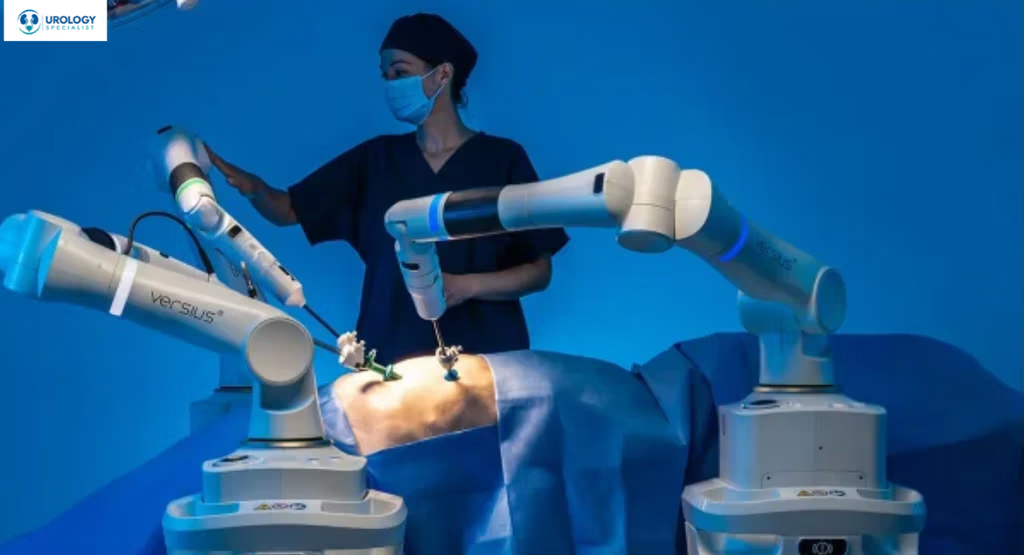
One of the major advantages of robotic kidney surgery is that it is minimally invasive. Instead of the larger incision associated with traditional open surgery, the procedure generally uses several small incisions.
1. Smaller Incisions
Smaller incisions can mean less damage to surrounding tissues and smaller scars compared with open surgery.
2. Enhanced Surgical Precision
Robotic systems provide the surgeon with magnified visualization and highly flexible instruments. This can be particularly helpful during delicate kidney procedures where precision is important.
3. Less Blood Loss
The improved visualization and precise instrument control may help surgeons carefully manage blood vessels and reduce blood loss during surgery.
4. Less Postoperative Discomfort
Because robotic surgery generally involves smaller incisions and less tissue disruption than open surgery, patients may experience less postoperative discomfort.
5. Faster Recovery
Many patients can return to normal activities sooner after minimally invasive kidney surgery compared with traditional open surgery, although recovery varies according to the procedure and individual health.
Robotic Partial Nephrectomy and Kidney Preservation
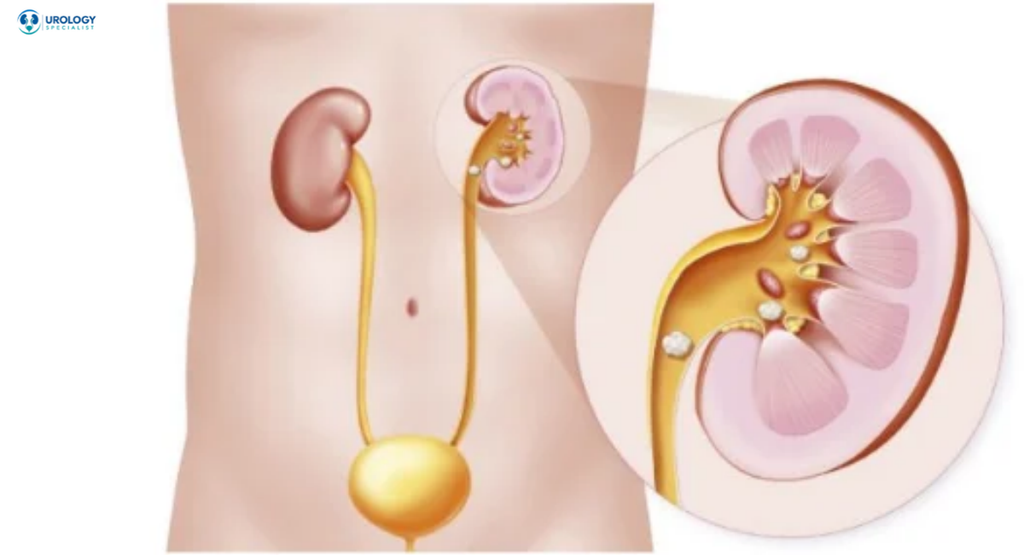
For some patients with a localized kidney tumour, the surgeon may recommend a robotic partial nephrectomy.
In this procedure, the surgeon removes the tumour while preserving as much healthy kidney tissue as possible. Preserving functioning kidney tissue can be an important consideration when clinically appropriate.
However, partial nephrectomy is not suitable for every patient. Tumour size, location, complexity and overall kidney health must be carefully assessed before choosing the procedure.
Robotic Kidney Surgery Cost in Mumbai
The cost of robotic kidney surgery in Mumbai can vary considerably. There is no single fixed price because the total expense depends on several factors, including:
- Type of kidney surgery
- Complexity of the procedure
- Hospital and operating-room charges
- Surgeon’s professional fees
- Robotic system charges
- Anaesthesia
- Diagnostic investigations
- Length of hospital stay
- Medicines and follow-up care
Published hospital information shows that robotic kidney surgery costs can vary widely in Mumbai depending on the procedure and individual case.
Therefore, rather than choosing treatment based only on price, patients should discuss the expected total cost and treatment plan with their urologist.
Recovery After Robotic Kidney Surgery
Recovery depends on the type of operation, the patient’s general health and whether any complications occur.
After surgery, patients are monitored in the hospital and encouraged to gradually start moving. Many patients undergoing robotic kidney procedures may have a hospital stay of approximately 1–3 days, although this can vary.
First Few Days
Patients may experience mild pain, fatigue or discomfort around the incision sites. Pain medicines are generally provided as required.
First 1–2 Weeks
Light daily activities may gradually be resumed according to the surgeon’s advice. Walking is generally encouraged, while strenuous activity and heavy lifting should be avoided until the doctor gives clearance.
Weeks 2–6
Patients can progressively return to their normal routine depending on the procedure and recovery. Follow-up appointments help the surgeon monitor healing and kidney function.
Your individual recovery timeline may be different, so always follow your surgeon’s postoperative instructions.
Why Choose Robotic Surgery?
Robotic surgery can provide important advantages, but the technology itself is only one part of successful treatment.
When searching for the Best Urologist in Mumbai, consider factors such as:
- The urologist’s experience with robotic kidney procedures
- Experience with complex kidney surgery
- Hospital infrastructure and robotic technology
- The surgeon’s approach to kidney preservation
- Postoperative and follow-up care
- Clear communication about risks, benefits and alternatives
An experienced urologist should first determine whether robotic surgery is actually appropriate for your condition. Robotic surgery is not automatically the best option for every patient.
Is Robotic Kidney Surgery Safe?
Robotic kidney surgery is considered a minimally invasive surgical option, but like every major surgery, it carries potential risks.
Possible complications can include bleeding, infection, anaesthesia-related complications and injury to nearby structures. Procedure-specific risks can also occur.
Your urologist should discuss the potential benefits and risks based on your individual medical condition before surgery.
How to Find the Best Urologist in Mumbai for Robotic Kidney Surgery?
Choosing the Best Urologist in Mumbai should involve more than simply looking at online rankings.
Before making a decision, ask the urologist:
- Is robotic surgery suitable for my condition?
- Would partial nephrectomy or complete kidney removal be more appropriate?
- How many robotic kidney surgeries do you perform?
- What are the expected benefits and risks in my case?
- What will my recovery period look like?
- What is the estimated total treatment cost?
A detailed consultation can help you understand your options and make a more informed treatment decision.
Conclusion
Robotic kidney surgery has changed the approach to selected kidney procedures by combining minimally invasive techniques with advanced visualization and precise surgical instruments. Potential benefits include smaller incisions, reduced blood loss, less postoperative discomfort and faster recovery compared with traditional open surgery in appropriate cases.
However, robotic surgery is not suitable for everyone. The right treatment depends on the patient’s condition, kidney function, tumour characteristics, overall health and the surgeon’s assessment.
If you are considering robotic kidney surgery, consulting an experienced Best Urologist in Mumbai can help you understand whether robotic surgery is the right option for your individual needs.
Frequently Asked Questions
1. What is robotic kidney surgery?
Robotic kidney surgery is a minimally invasive procedure in which a surgeon controls robotic instruments to perform kidney surgery through small incisions. It can be used for selected procedures such as partial or radical nephrectomy.
2. What are the main benefits of robotic kidney surgery?
Potential benefits include smaller incisions, less tissue trauma, reduced blood loss, less postoperative discomfort and faster recovery compared with traditional open surgery in appropriately selected patients.
3. How much does robotic kidney surgery cost in Mumbai?
The cost varies according to the type and complexity of surgery, hospital, surgeon’s fees, robotic-system charges, investigations and hospital stay. Mumbai hospital information indicates that costs can vary significantly between individual cases.
4. How long does it take to recover from robotic kidney surgery?
Many patients can resume light activities within the first few weeks, while complete recovery may take several weeks depending on the procedure and individual health. Robotic partial nephrectomy patients may typically stay in hospital for around 1–3 days.
5. How do I choose the Best Urologist in Mumbai for robotic kidney surgery?
Look for a urologist with relevant experience in robotic kidney procedures, access to appropriate hospital technology, experience with complex cases and a strong focus on individualized treatment and follow-up care. During consultation, ask about the surgeon’s experience, expected outcomes, risks, alternatives and total treatment cost.