

Enlarged Prostate: Symptoms, Causes, Diagnosis and Non Surgical Treatment
What Is the Prostate Gland and What Does It Do?
An organ found only in males. Located just below the bladder. Urine comes through this organ. Secretes prostatic secretions that make up part of the semen. With aging prostate enlarges. As the urine passes through the prostate it can cause an obstruction.
There are two main conditions relating to the prostate gland. Benign Enlargement and Prostate Cancer. Different investigations and treatments required.
At What Age Does the Prostate Start to Enlarge?
Generally there is a cut off age of 40, although this is not strict. As you get older the chance of developing prostate problems increases. Not everyone with an enlarged prostate will have symptomatic issues. Some people can have a big prostate but not much of an issue. Some can have a smaller prostate but more obstruction.
What Are the Symptoms of an Enlarged Prostate (BPH)?
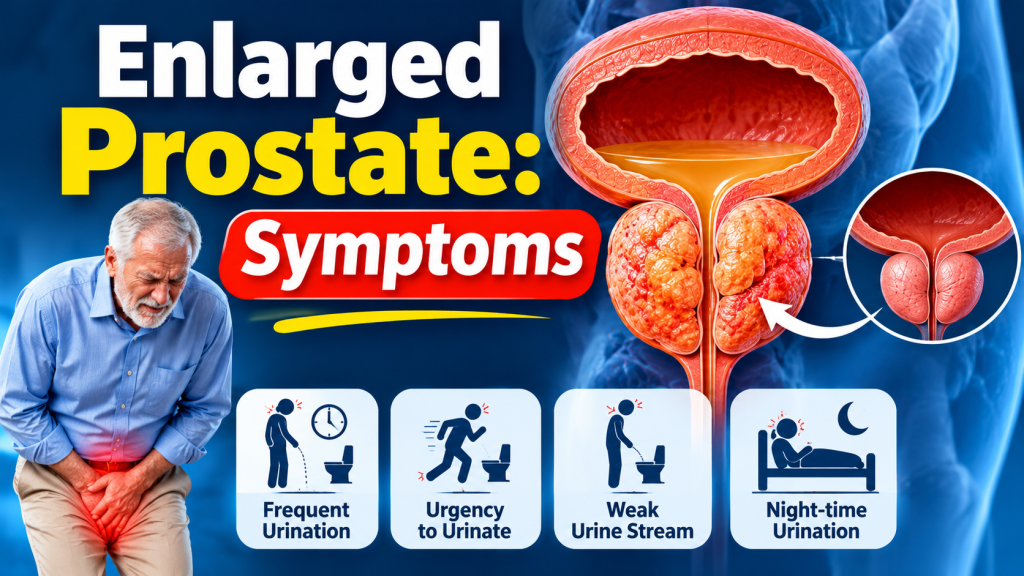
As the prostate causes an obstruction you may notice that your urine isn’t fully passing. There will be some urine left in the bladder. You will feel the need to go constantly. The kidneys will produce normal amounts of urine but the issue is that you aren’t passing it. Your urine will be weak and intermittent. You may also need to wait for the urine to start. Some patients may wake up 4/5 times during the night. Urgency and occasional incontinence.
Can an Enlarged Prostate Cause Urinary Tract Infections (UTIs)?
Yes. As there is a significant amount of urine left in the bladder this can cause bacteria to grow. Increasing the chance of UTIs. Therefore if someone is presenting with recurring UTIs, especially in elderly males you would want to investigate for an obstruction.
How Much Water Should You Drink With an Enlarged Prostate?
Many patients believe that increasing water will help their prostate. However others will decrease the amount of water they are having due to frequent urination. There is no simple answer to this. Depending on other medical issues patients will be advised to have differing amounts of water. Patients with kidney stones are generally advised to have enough water. Some patients with heart disease or kidney impairment may need to restrict their fluids. The main issue with enlarged prostate is the obstruction. Adjusting times of drinking fluids can help with nocturia but won’t clear up the obstruction.
How Is an Enlarged Prostate Diagnosed?
Most commonly patients will notice they have a weak stream, frequent urination or hesitancy. An ultrasound scan is one of the easiest investigations. It can help see if the kidneys are swollen. It can also look at the bladder, see how much urine is left after passing urine (post void residual) and give us an idea of how big the prostate is. This can help us understand if the prostate enlargement is causing any issues in the urinary system. However it cannot reliably tell us if there is prostate cancer.
Does a High PSA Level Mean Prostate Cancer?
This stands for Prostate Specific Antigen. A simple blood test that can help us understand the likelihood of prostate disease. However just because the level is high doesn’t mean there is cancer. It can increase due to benign enlargement or infection/inflammation. It is just an indicator. Depending on age, risk and clinical findings further investigation may be required.
What Happens If an Enlarged Prostate Is Left Untreated?
Often symptoms develop slowly. Many people will just accept that they have a weak urine stream or nocturia due to old age. Sometimes the bladder can become progressively affected and urine will be left in the bladder. Severe long term obstruction can cause the kidneys to swell and affect kidney function. This may not happen to everyone but is a reason not to leave symptoms.
Does a Bigger Prostate Always Mean More Urinary Problems?
Not necessarily. Sometimes a prostate that is larger such as 100/200g may not cause too much of an obstruction. Sometimes a prostate that is small such as 20/30g can cause quite a bit of issues. The shape has a big impact. We will look at the symptoms, urine flow, residual urine, kidney function and other findings to determine treatment.
Can an Enlarged Prostate Be Treated Without Surgery?
Absolutely! Many patients will ask if they will have to have surgery. A simple example is that as you get older you may develop cataracts but not everyone will have to have immediate surgery. The same applies with prostate enlargement. We have medications that relax the muscles surrounding the prostate and bladder neck. This can help improve the urine flow. Some patients can stay comfortable on medication for many years. We also have medication that reduces the conversion of testosterone to DHT. This can help reduce the prostate over time. However these can have limitations and possible side effects. Which can depend on the patient.
When Should You See a Urologist for Prostate Problems?
If you are experiencing weak urine stream, frequent urination, hesitancy, incomplete emptying or nocturia please see a urologist. If you are unable to pass any urine or have urinary symptoms along with fever and significant illness this should be seen urgently. Not all prostate problems require surgery. We will need to determine what is causing the issue and whether there are any issues with the bladder/kidneys.
Where Can I Get Enlarged Prostate Treatment in Indore?
It is very important to have a proper assessment. Just because the prostate is bigger doesn’t mean we will treat it a certain way. Dr. Yusuf Saifi offers consultations for prostate enlargement, urinary issues and other urological issues in Indore.
Book an appointment. and i will share my expertise and give appropriate treatment to you.
Frequently Asked Questions
What causes an enlarged prostate?
Age is the main reason. As you get older the prostate enlarges, and the chance of prostate problems increases. Not everyone with an enlarged prostate will have symptoms.
Is an enlarged prostate the same as prostate cancer?
No. Benign enlargement and prostate cancer are two different conditions. They need different investigations and treatments. An ultrasound cannot reliably tell us if there is prostate cancer.
Does every patient with an enlarged prostate need surgery?
No. Not all prostate problems require surgery. Many patients can stay comfortable on medication for many years. We look at your symptoms, urine flow, residual urine and kidney function before deciding on treatment.
What medicines are used for an enlarged prostate?
There are two main types. One relaxes the muscles around the prostate and bladder neck and improves urine flow. The other reduces the conversion of testosterone to DHT and can reduce the prostate over time. Both can have side effects, which depend on the patient.
Why do I wake up 4 or 5 times at night to pass urine?
The prostate can obstruct the urine, so the bladder does not empty fully and you feel the need to go again and again. Changing the timing of fluids can help at night, but it will not clear the obstruction. Please see a urologist.
Can an enlarged prostate affect the kidneys?
It can, if the obstruction is severe and long-standing. The kidneys can swell and kidney function can be affected. This may not happen to everyone, but it is a reason not to ignore symptoms.
What is post void residual urine?
It is the amount of urine left in the bladder after you pass urine. An ultrasound scan can measure it. Urine left behind can also lead to bacteria growing and UTIs.
When is an enlarged prostate an emergency?
If you cannot pass any urine, or you have urinary symptoms along with fever and significant illness, you should be seen urgently.