
Bladder Stones: Symptoms, Causes, Treatment and When to See a Urologist

A patient walked into my clinic a few months back convinced he had “another UTI.” Third one this year, he said, frustrated, holding a bag of half-finished antibiotic courses. Turned out it wasn’t a UTI at all — or rather, it was, but the UTI was just a symptom. The real problem was sitting in his bladder: a stone the size of a small marble that had been quietly growing for who knows how long.
This happens more often than people realize. Bladder stones get mistaken for stubborn infections, ignored, or ignored right up until the discomfort stops being ignorable. So let’s actually talk about what they are, why they form, and what you can expect if you’ve got one.
Table of Contents
What Are Bladder Stones?
Why Do They Form
Who Actually Gets Them
The Symptoms People Miss
How We Diagnose Them
Treatment—What’s Involved
What Happens If You Just… Leave It
Prevention (Realistic Version)
When This Becomes an Emergency
Frequently Asked Questions
Final Word
What Are Bladder Stones?
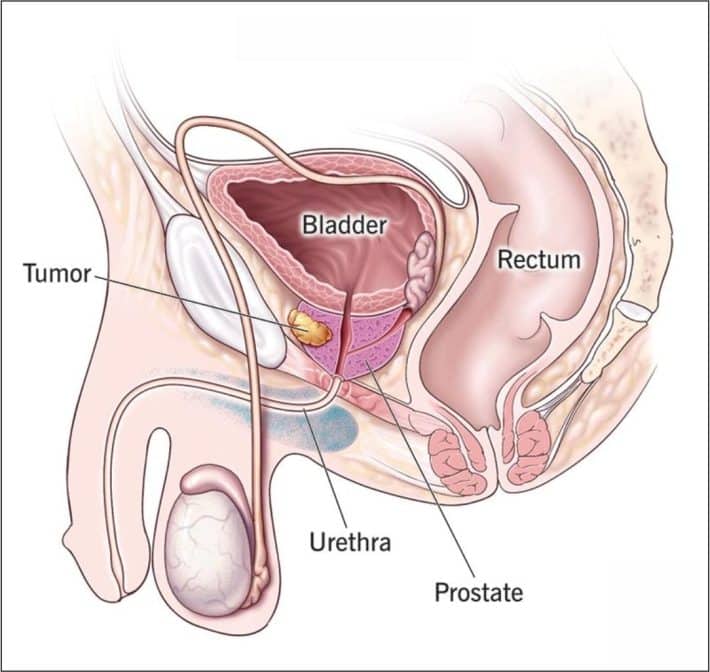
Here’s the simple version: bladder stones are hard mineral deposits that form inside the bladder—not the kidney, the bladder itself. They show up when the bladder can’t empty itself all the way. Whatever urine gets left behind just sits there, gets more and more concentrated, and eventually the minerals in it start crystallizing into something solid.
Small ones usually pass without you noticing. The ones that actually bring people to my clinic are the larger ones—the kind that scrape against the bladder wall or start blocking urine from getting out properly.
Why Do They Form
Almost every case comes down to the same root issue: something is stopping the bladder from emptying completely. The specific culprit varies, though. In my practice, I see a handful of recurring patterns:
An enlarged prostate (BPH) is probably the single biggest one in men—it physically narrows the outflow and leaves urine behind every time. Nerve damage can do the same thing; a neurogenic bladder, often from a spinal injury or certain neurological conditions, just can’t signal itself to empty fully. Then there are bladder diverticula, little pouches in the bladder wall where urine pools and sits—and sitting urine, as you’d guess, is exactly what starts the crystallization process.
I’ll also mention this because patients ask about it constantly: a kidney stone can travel down into the bladder and keep growing there. It’s not the same stone “becoming” a bladder stone, exactly, but functionally, it ends up acting like one.
And then the plain stuff—long-term catheter use, previous bladder surgery, or just not drinking enough water for a long stretch. Dehydration alone concentrates the urine enough to speed this whole process up.
Who Actually Gets Them
Men, mostly—and specifically men over 50, which tracks with how common BPH becomes at that age. Women can get bladder stones too, just less often, and it’s genuinely rare in kids. If you fall into any of the risk categories above—an enlarged prostate, nerve-related bladder issues, chronic dehydration—your odds go up considerably.
The Symptoms People Miss
Small stones? Often nothing. No symptoms, no warning, they just pass quietly. It’s the bigger ones that announce themselves, and usually not subtly:
Burning or pain while urinating
Needing to go constantly, even minutes after you just did
Urine that looks cloudy or darker than usual
Blood in the urine
A stream that stops and starts, or just won’t fully empty
Lower belly or pelvic discomfort — in men, sometimes felt in the penis itself
UTIs that keep recurring no matter how many antibiotic courses you finish
That last one is the big clue, honestly. If you’ve treated the “infection” three times and it keeps coming back, it’s worth asking whether there’s a stone behind it.
How We Diagnose Them
Nothing exotic here. It starts with a conversation — your symptoms, your history — followed by a urine test checking for blood, infection, or crystal content. Then imaging: usually an ultrasound, sometimes an X-ray or CT. Worth knowing — not every stone shows up clearly on a plain X-ray, so a clean X-ray doesn’t automatically mean you’re in the clear. When we need a direct look, a cystoscopy (a thin camera passed through the urethra) settles it definitively.
Treatment — What’s Involved
It really depends on size.
If the stone’s small and you’re otherwise healthy, drinking more fluids can sometimes help it pass naturally — a bit uncomfortable, maybe, but manageable.
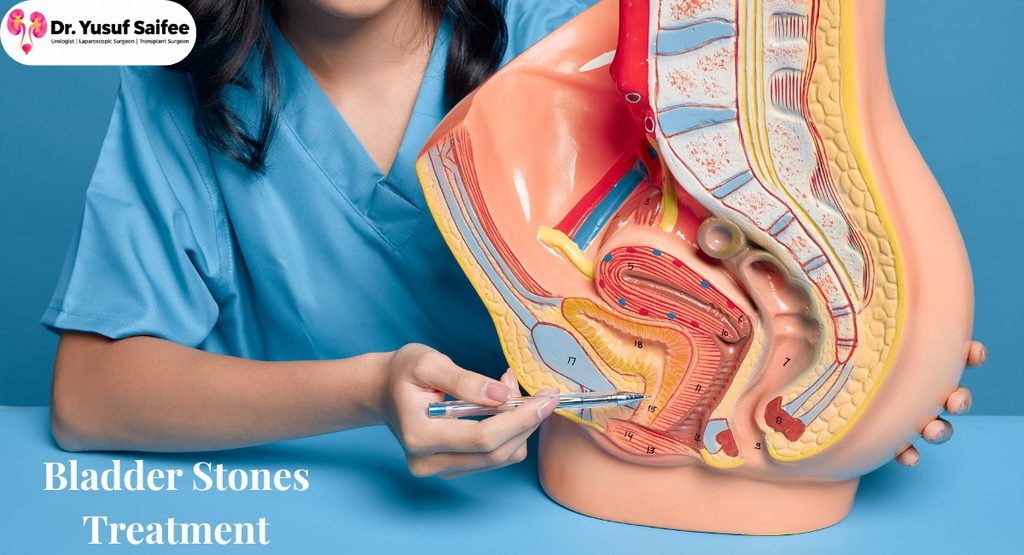
For anything that won’t pass on its own, cystolitholapaxy is the go-to procedure, and it’s the one I perform most often. A cystoscope goes in through the urethra, the stone gets located, and we break it apart using a laser or ultrasound energy before flushing the fragments out. Local or general anesthesia, same-day or next-day discharge in most cases, and a short catheter for a day or two afterward.
Occasionally — when a stone is unusually large, or there’s a significant blockage like severe BPH complicating things — open surgery becomes the better option. A small incision, direct removal, and a slightly longer recovery window, typically one to two weeks.
One thing I always stress to patients: removing the stone is only half the job. If we don’t also treat whatever caused it — the enlarged prostate, the diverticula, whatever it is — the stone just comes back.
What Happens If You Just… Leave It
I understand the instinct to wait it out. But untreated bladder stones don’t resolve on their own once they’re past the “small enough to pass” stage. What actually happens is urethral obstruction, ongoing pain, infections that keep returning, and — over enough time — genuine damage to the bladder itself. The reassuring part: caught and treated properly, bladder stones don’t tend to leave any lasting damage. It’s the delay that causes the real problems, not the stone itself.
Prevention (Realistic Version)
I won’t pretend prevention is always possible — if the cause is an enlarged prostate or a nerve condition, lifestyle changes alone won’t fix that. But a few habits genuinely reduce your risk:
Drink enough water — around 2 litres a day is a reasonable target. Don’t hold urine in or rush through urinating; empty fully, every time. Cut back on heavily processed, high-salt, high-sugar foods where you can. Treat UTIs early instead of letting them linger. And if you’ve got BPH or a similar condition, manage it — don’t wait for a stone to force the issue.
When This Becomes an Emergency
Get to urgent care if you’re dealing with any of these:
Severe pain and you genuinely can’t pass urine
Visible blood in the urine
High fever combined with urinary symptoms
Feeling faint, confused, or generally unwell alongside the above
These point toward either a full blockage or a spreading infection — not something to sleep on.
Frequently Asked Questions
Are bladder stones the same thing as kidney stones?
No — different location, often different cause. Kidney stones form up in the kidney; bladder stones form in the bladder, usually because of incomplete emptying rather than the kidney’s filtering process. A kidney stone can migrate down and settle in the bladder, but that’s a specific scenario, not the general rule.
Will it just pass on its own?
Small ones, often yes, especially with more fluids. Larger ones — honestly, no. They need to be broken up or removed; waiting doesn’t make them smaller.
Is this dangerous?
Not immediately life-threatening in most cases, but left alone long enough, it can lead to serious complications — recurrent infections, significant bleeding, complete blockage. Not something I’d recommend sitting on.
Does the laser procedure hurt?
You’re under anesthesia for the procedure itself, so no. Afterward, mild burning when urinating for a few days is normal and settles with basic pain relief.
Why do mine keep coming back?
Almost always because the underlying cause wasn’t addressed — usually BPH. Treat the stone without treating the cause, and you’re just buying time until the next one.
Can women get these too?
Yes, just less commonly. In women it’s usually tied to diverticula, prior pelvic surgery, or long-term catheter use rather than prostate issues.
Final Word
If there’s one thing I want readers to take from this: a UTI that keeps returning is not normal, and it’s not something to just manage with repeat antibiotics indefinitely. Sometimes there’s a stone behind it, sometimes there isn’t — but you won’t know until someone actually looks. If you’re in Indore or Mumbai and this sounds familiar, it’s worth getting checked properly rather than guessing.