

Prostate Gland Surgery: When Is It Needed? Types, Benefits, Cost & Recovery
Prostate Gland Surgery: When Is It Needed? Types, Benefits, Cost & Recovery
Prostate problems become increasingly common as men get older. An enlarged prostate can cause symptoms such as frequent urination, a weak urine stream, difficulty starting urination and the feeling that the bladder has not completely emptied.
While mild prostate symptoms can often be managed with medicines and lifestyle changes, some men may eventually require prostate gland surgery.
Understanding when surgery is needed, the available surgical options, potential benefits, cost and recovery can help patients make informed decisions. If you are experiencing persistent urinary symptoms, consulting the Best Urologist in Mumbai can help determine the right treatment for your condition.
What Is Prostate Gland Surgery?
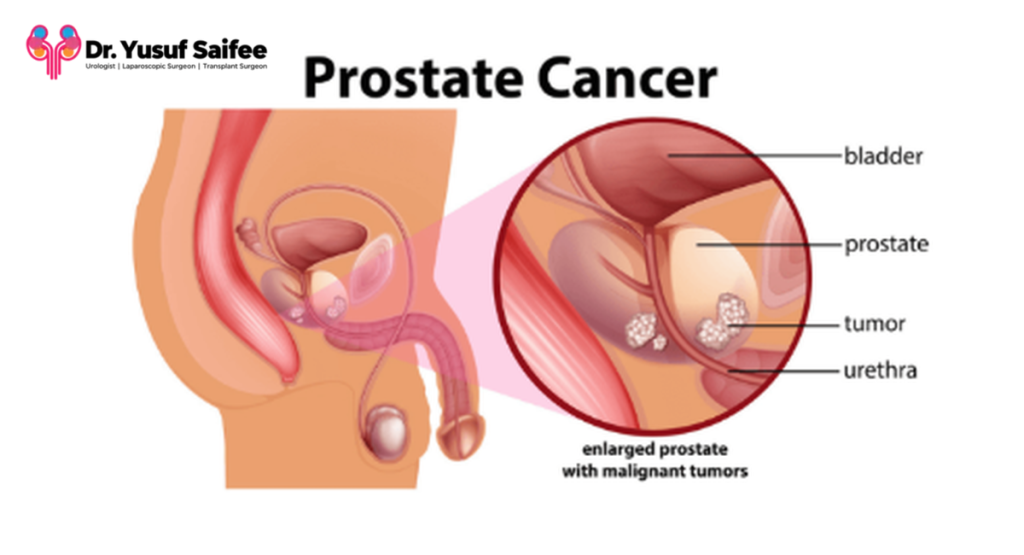
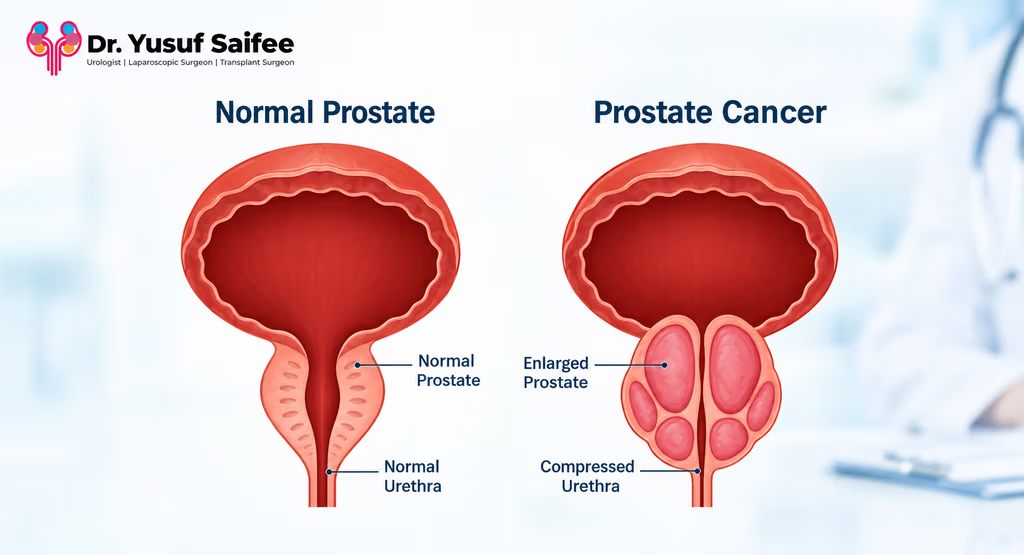
The prostate is a small gland located below the bladder and around the urethra. As men age, the prostate may become enlarged, a condition commonly known as benign prostatic hyperplasia (BPH).
Prostate gland surgery aims to remove or treat the prostate tissue that is blocking the flow of urine. The exact procedure depends on the size of the prostate, severity of symptoms, overall health and the underlying condition.
Surgery may also be recommended in certain cases of prostate cancer, although cancer surgery is different from surgery performed for benign prostate enlargement.
When Is Prostate Gland Surgery Needed?
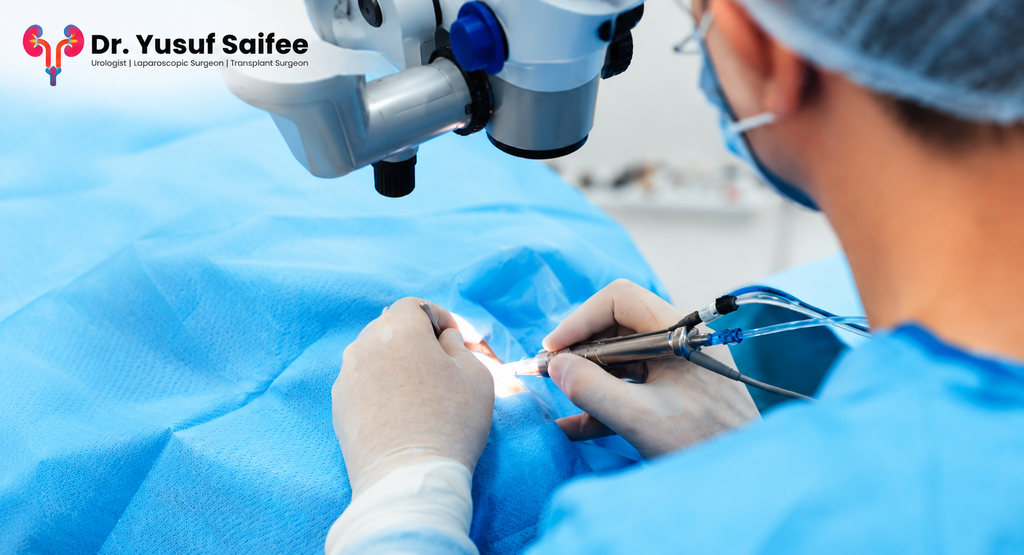
Not every man with an enlarged prostate needs surgery. Doctors generally consider surgery when symptoms are severe, persistent or causing complications.
1. Medicines Are Not Providing Enough Relief
If medications do not adequately control urinary symptoms, a urologist may discuss surgical options.
2. Difficulty Passing Urine
Repeated or persistent urinary retention can indicate significant obstruction and may require a procedure to improve urine flow.
3. Recurrent Urinary Tract Infections
An enlarged prostate can prevent the bladder from emptying properly, potentially increasing the risk of recurrent urinary infections.
4. Bladder Stones
Some men with significant prostate obstruction may develop bladder stones. Treating the obstruction may be necessary to reduce the risk of further problems.
5. Kidney or Bladder Problems
Severe, untreated urinary obstruction can sometimes affect the urinary system, including bladder function and kidney health.
6. Symptoms Affect Daily Life
Frequent nighttime urination, urgency, weak urine flow or difficulty urinating can significantly affect sleep and quality of life. When symptoms become difficult to manage, surgery may be considered.
A consultation with the Best Urologist in Mumbai can help determine whether medication, minimally invasive treatment or surgery is appropriate.
Types of Prostate Gland Surgery
There are several surgical and minimally invasive options for prostate enlargement. The most suitable procedure depends on the patient’s condition.
1. TURP – Transurethral Resection of the Prostate
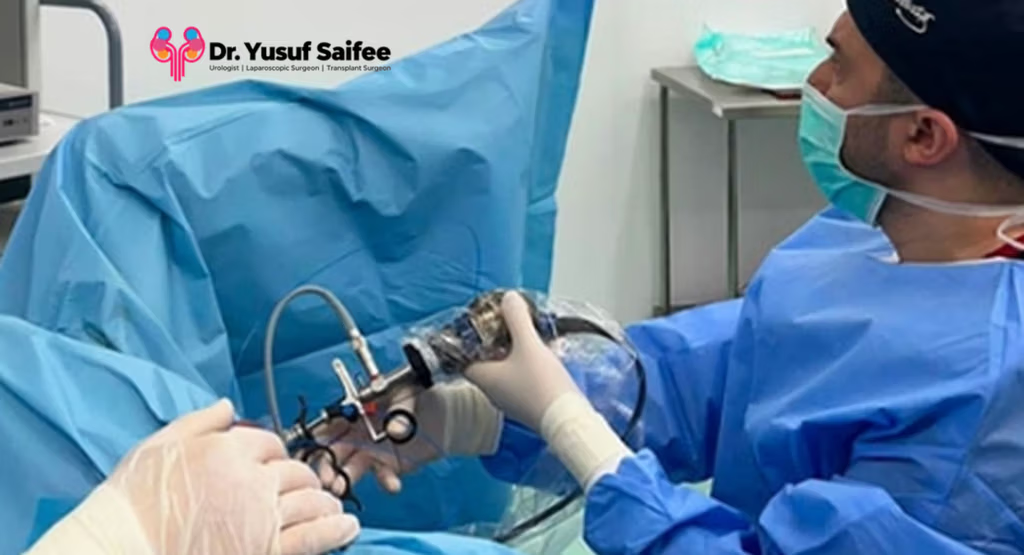
TURP is one of the established surgical treatments for enlarged prostate. The surgeon passes an instrument through the urethra and removes prostate tissue that is obstructing urine flow.
Because there is no large external incision, TURP is considered a minimally invasive procedure.
2. HoLEP – Holmium Laser Enucleation of the Prostate
HoLEP uses a laser to remove obstructing prostate tissue. It can be used for a wide range of prostate sizes and is an important laser-based treatment option for BPH.
3. Robotic Prostate Surgery
Robotic surgery may be recommended for selected prostate conditions, particularly certain cases of prostate cancer requiring radical prostatectomy.
During robotic radical prostatectomy, the prostate gland and surrounding tissues are removed using minimally invasive surgical techniques.
4. Other Minimally Invasive Treatments
Depending on prostate size, symptoms, and individual circumstances, other procedures may also be considered. Your urologist can explain which treatment is most appropriate after evaluation.
Benefits of Prostate Surgery
The primary goal of prostate surgery for BPH is to improve urinary flow and relieve obstruction.
Potential benefits include:
- Better urine flow
- Easier urination
- Reduced urinary retention
- Less frequent nighttime urination
- Improved bladder emptying
- Better quality of life
- Reduced risk of complications caused by severe obstruction
The expected results depend on the patient’s underlying condition and the procedure performed.
Prostate Surgery Cost in Mumbai
The prostate surgery cost in Mumbai can vary significantly from patient to patient. There is no single fixed price because several factors influence the overall treatment expense.
These may include:
- Type of prostate surgery
- Size and complexity of the prostate
- Hospital charges
- Surgeon and anaesthesia fees
- Diagnostic tests
- Medications
- Length of hospital stay
- Postoperative follow-up
Laser procedures, conventional procedures and robotic surgery can have different costs.
Before treatment, ask your urologist and hospital for a detailed estimate that explains the expected expenses.
Recovery After Prostate Gland Surgery
Recovery depends on the type of procedure and the patient’s overall health.
After surgery, some patients may temporarily experience urinary urgency, mild burning while urinating or blood in the urine. These symptoms generally improve as healing progresses, but patients should follow their surgeon’s instructions carefully.
First Few Days
Patients are usually advised to rest, stay hydrated and avoid strenuous activities. A urinary catheter may be required temporarily depending on the procedure.
First Few Weeks
Light activities can usually be resumed gradually. Heavy lifting, strenuous exercise and activities that may put pressure on the surgical area should generally be avoided until the doctor provides clearance.
Follow-Up
Follow-up appointments allow the urologist to assess recovery, urinary symptoms and any potential complications.
Your recovery timeline may differ depending on whether you undergo TURP, HoLEP, robotic surgery or another procedure.
Is Prostate Surgery Safe?
Modern prostate procedures are generally performed using established surgical techniques, but every procedure has potential risks.
Possible complications vary according to the specific surgery and may include bleeding, infection, urinary problems, temporary urinary urgency and other procedure-specific complications.
Before surgery, your urologist should explain the expected benefits, possible risks and available alternatives.
How to Choose the Best Urologist in Mumbai?
Choosing the Best Urologist in Mumbai is an important part of prostate treatment. Rather than choosing a specialist only on the basis of online rankings, consider their experience with the specific prostate procedure you may require.
During your consultation, consider asking:
- What is causing my urinary symptoms?
- Do I actually need surgery?
- Which procedure is best for my prostate size and condition?
- What are the benefits and risks?
- How long will recovery take?
- What will the estimated treatment cost be?
An experienced urologist can evaluate your symptoms, medical history, investigations, and prostate condition before recommending treatment.
Prostate Gland Surgery: What Should You Do Next?
Prostate symptoms should not simply be considered a normal part of ageing. Persistent urinary problems deserve proper evaluation because several conditions can cause similar symptoms.
If medications are not working or urinary obstruction is affecting your quality of life, prostate gland surgery may be one of the treatment options.
Consulting the Best Urologist in Mumbai can help you understand your diagnosis and choose a treatment approach based on your individual needs.
Frequently Asked Questions
1. When is prostate gland surgery required?
Prostate gland surgery may be considered when medicines are not providing adequate relief, urinary retention occurs, recurrent infections or bladder stones develop, or severe obstruction begins affecting the urinary system and quality of life.
2. What is the most common surgery for an enlarged prostate?
TURP is a well-established surgical treatment for enlarged prostate. Laser procedures such as HoLEP are also commonly used. The appropriate procedure depends on prostate size, symptoms, medical history and the urologist’s assessment.
3. How much does prostate surgery cost in Mumbai?
The cost varies depending on the type of procedure, hospital, surgeon, diagnostic tests, anaesthesia, hospital stay and complexity of the case. A personalized estimate should be obtained after consultation.
4. How long does it take to recover from prostate surgery?
Recovery varies depending on the procedure and individual health. Many patients can gradually return to normal daily activities over the following weeks, while strenuous activities may need to be avoided for longer. Your surgeon will provide an individualized recovery plan.
5. How can I find the Best Urologist in Mumbai for prostate surgery?
Look for a urologist with experience in the specific prostate procedure you may need, modern surgical facilities and a strong approach to patient evaluation and follow-up. Discuss the diagnosis, treatment alternatives, expected recovery, risks and total cost during your consultation.