

What Are the Best Kidney Stones Treatment Options?
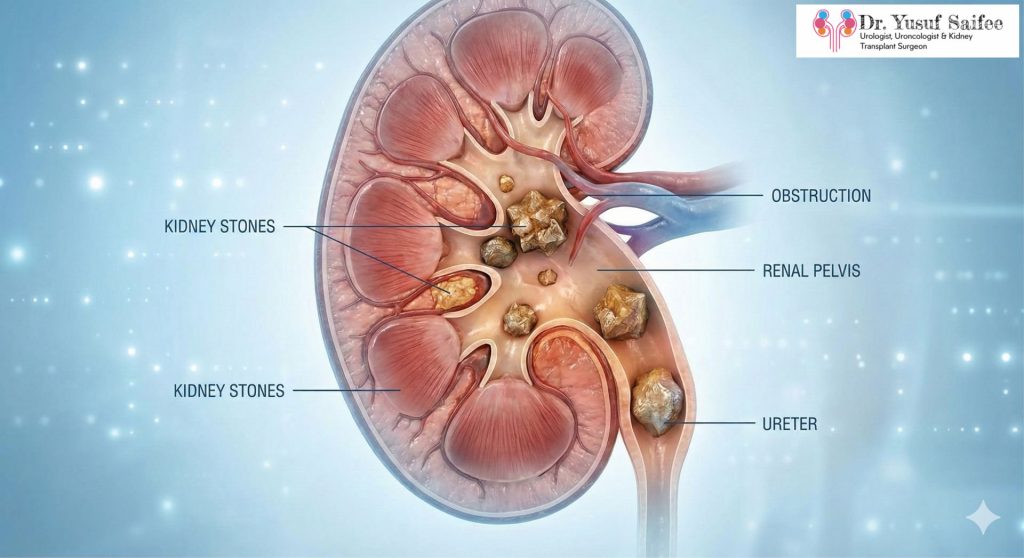
Kidney stone pain is often described as one of the worst pains a person can experience. It disrupts daily life, affects sleep, and creates constant fear that the pain will return without warning.
Many people search for answers only when the symptoms become unbearable.
This blog gives you a complete overview of how kidney stones form, what early signs to watch for, how they are treated, and when surgery or even kidney removal becomes necessary.
What Does Kidney Health Really Involve?
Your kidneys support essential body functions every minute, which is why understanding their role helps you make sense of how kidney stones develop and why they are so painful. This section helps you see the foundation before exploring causes and treatment options in detail.
Your kidneys perform several important functions:
- Filter waste products and toxins from the blood, preventing dangerous buildup.
- Balance electrolytes such as sodium, potassium, and calcium, ensuring stable muscle, nerve, and heart function.
- Help regulate blood pressure through hormone production and fluid control.
- Stimulate red blood cell production by releasing erythropoietin.
- Maintain bone strength by supporting vitamin D activation for calcium absorption.
When stones form and block urine flow, these functions become strained and your body reacts with intense pain, infection, or swelling.
What Causes Kidney Stones and Why Do They Form?
Understanding why kidney stones develop helps you take preventive steps and better assess your future risk. Stones form when minerals and salts in the urine stick together, creating hard deposits that can block urine flow and cause pain. Several lifestyle habits and medical conditions increase the likelihood of stones forming.
Common Causes Include:
- Low Fluid Intake: Drinking too little water leads to concentrated urine, which allows minerals such as calcium, uric acid, and oxalate to crystallise. These small crystals can grow over time and eventually form painful kidney stones.
- High Salt Consumption: Eating excessive salt increases calcium levels in urine, which supports stone formation. A diet with high sodium can disrupt the delicate mineral balance needed to prevent crystals from forming in the kidneys.
- High Intake of Oxalate-Rich Foods: Certain foods, including spinach, beets, nuts, chocolate, and black tea, are high in oxalate. Oxalate combines with calcium in the urine, creating calcium oxalate stones, which are among the most common types of kidney stones.
- Diets Rich in Animal Protein: High consumption of meat, poultry, or seafood increases uric acid levels in the urine. Uric acid can form stones directly or worsen the formation of other types of kidney stones, especially if urine is also acidic.
- Obesity: Being overweight can change the composition of urine, increasing acidity and promoting uric acid stone formation. Metabolic changes related to obesity also affect how minerals are processed in the kidneys.
- Medical Conditions: Certain health conditions raise the risk of stones. Gout increases uric acid levels, hyperparathyroidism raises calcium levels, and repeated urinary tract infections can lead to struvite stones, which grow rapidly.
- Certain Medications: Some medications, including diuretics, calcium supplements, and antacids, can alter urine chemistry and encourage crystal formation, increasing the risk of developing stones.
Identifying these triggers allows you to make lifestyle and dietary changes that significantly reduce your risk of future kidney stone episodes.
What Are the Early Symptoms of Kidney Stones?
Kidney stones often remain silent until they move or block urine flow, causing pain or other noticeable signs. Recognising these early symptoms allows you to seek care promptly and prevents complications such as infections or long-term kidney damage.
Early Symptoms Often Include:
- Severe Side or Back Pain: Pain from kidney stones often begins suddenly and can be extremely intense. It may start in the side or lower back and radiate toward the lower abdomen or groin as the stone moves through the urinary tract.
- Painful or Burning Urination: You may experience discomfort or a burning sensation when urinating, which happens as the stone reaches the ureter or bladder and irritates the lining of the urinary tract.
- Blood in the Urine: Your urine may appear pink, red, or brown because stones can scratch the urinary tract walls, causing bleeding. Even small stones may result in visible blood or microscopic traces detected by a urine test.
- Urgency to Urinate: Kidney stones can trigger a frequent and urgent need to urinate, but only small amounts may pass each time. This occurs because the stone irritates the bladder or partially blocks urine flow.
- Nausea and Vomiting: The nerves connecting the kidneys and digestive system can cause nausea or vomiting when a stone moves, making these common accompanying symptoms during painful episodes.
- Fever or Chills: A fever or chills may develop if the stone causes an infection. Any signs of infection with a blocked kidney are a medical emergency and require immediate attention.
Recognising these symptoms early and consulting a urologist can help prevent more serious issues and support timely treatment to protect kidney function.
What Types of Kidney Stones Can Form?
Understanding the type of stone you have is important because it determines both treatment and long-term prevention strategies. Different stones form due to different causes, and knowing which type you are prone to helps your doctor guide diet, medications, and lifestyle changes.
The Main Types Include:
- Calcium Oxalate Stones: Calcium oxalate stones are the most common type of kidney stone and usually form when urine contains high levels of oxalate, inadequate fluid, or excessive salt. They can also develop if calcium levels in urine are unusually high.
- Calcium Phosphate Stones: Calcium phosphate stones are often linked to a higher urine pH and certain metabolic conditions. They are less common than calcium oxalate stones but can grow rapidly if underlying imbalances are not addressed.
- Uric Acid Stones: Uric acid stones form when uric acid levels in the urine are too high. These stones are more common in people who have gout, consume a high-protein diet, or have persistently acidic urine.
- Struvite Stones: Struvite stones are typically caused by chronic urinary tract infections. They can grow quickly and sometimes fill the entire kidney, forming what is called a staghorn stone, which requires careful medical attention.
- Cystine Stones: Cystine stones are rare and occur due to a genetic disorder that causes cystine to leak into the urine. These stones tend to recur often and can be difficult to treat without specialised management.
Knowing your stone type allows your doctor to recommend a personalised prevention plan, including dietary adjustments, lifestyle changes, and targeted medications to reduce the risk of future stones.
How Are Kidney Stones Diagnosed?
Accurate diagnosis is the foundation of proper treatment, and knowing what to expect can make the process less stressful. Doctors use a range of tests to confirm the presence of a stone, check its size and location, and understand why it formed. These evaluations also help identify complications early so that you receive timely care tailored to your needs.
Common Diagnostic Tests Include:
- Ultrasound: Ultrasound is quick, safe, and free of radiation, and it helps detect medium and large stones in the kidneys or urinary tract.
- CT Scan (Computed Tomography Scan): A CT scan is the most accurate imaging method for kidney stones because it identifies even tiny stones that may be missed by other tests.
- Urine Tests: Urine tests show whether you have crystals that form stones, signs of an infection, or mineral imbalances that increase your risk of recurrence.
- Blood Tests: Blood tests help check how well your kidneys are functioning and identify high levels of calcium or uric acid that may be contributing to stone formation.
- Stone Analysis: When a stone is collected after passing or removal, stone analysis identifies its exact composition, which helps guide personalised dietary advice and long term medical prevention.
What Treatment Options Are Available for Kidney Stones?
Treatment choices depend on the size and location of the stone, the type of symptoms you are experiencing, and whether any complications have developed. Understanding each option helps you feel more confident about the next step, whether you need simple measures or a more structured procedure.
1. Conservative Management
Conservative care is often the first approach for stones that are smaller than 5 millimetres. These stones usually pass on their own with the right support. Drinking enough water helps push the stone through the urinary tract. Painkillers are used to keep you comfortable while the stone moves. Doctors may also prescribe alpha blockers, which relax the ureter and make it easier for the stone to pass naturally. This approach is safe and effective for many people with smaller stones.
2. Shock Wave Lithotripsy (SWL)
Shock Wave Lithotripsy uses focused sound waves that travel through the skin to break a stone into tiny pieces. These fragments then pass out through urine over days or weeks. SWL works best for stones located in the kidney or upper ureter and is preferred when the stone is not too hard and is within the ideal size range. It is non invasive and usually does not require a hospital stay.
3. Ureteroscopy (URS)
Ureteroscopy is a common and reliable option for stones that are stuck or for stones that cannot be treated with shock waves. A thin telescope is passed gently through the urinary tract without any cuts. A laser is used to break the stone into fine pieces. These pieces are either removed with tiny tools or allowed to pass naturally. URS is suitable for stones in almost any location and gives predictable results.
4. Percutaneous Nephrolithotomy (PCNL)
Percutaneous Nephrolithotomy is recommended for large stones that are more than 2 centimetres or for stones that are very hard or irregular in shape. A small incision is made on the back to create a direct pathway to the kidney. A scope is inserted and the stone is broken and removed in one procedure. PCNL is the most effective method for clearing very large stones and helps prevent repeated infections or obstruction.
5. Medications Based on Stone Type
Some stones respond well to targeted medical therapy. Uric acid stones may dissolve completely when the urine is alkalised using specific medicines that raise the pH. Certain calcium stones may be prevented with dietary adjustments or medications that lower calcium or oxalate in the urine. Identifying the exact stone type allows your doctor to plan long term prevention that suits your health and lifestyle.
Each treatment is carefully selected after considering your stone’s size, hardness, position, symptoms, and your overall health. The goal is always to clear the stone safely while protecting long term kidney function and preventing future episodes.
When Does Removing a Kidney Due to Stones Become Necessary?
Kidney removal because of stones is extremely rare, and most people never reach this stage. It usually happens only when the kidney is too damaged to recover or when keeping it would put a person’s health at risk. Understanding these situations can help you feel more informed and less anxious about the possibility.
Kidney Removal May Be Needed When:
- The Kidney Has Completely Lost Its Function
Long-term obstruction from stones can slowly destroy healthy kidney tissue, and once the kidney stops functioning, it can no longer filter waste or support the body. A non-functioning kidney may also trigger repeated infections, which makes removal safer. - Repeated Infections Start to Threaten Safety
Some stones, especially struvite stones, are directly linked to chronic infections that keep returning and become harder to treat each time. If these infections start spreading or raise the risk of life-threatening sepsis, removing the affected kidney becomes the most protective option. - The Stones Are Extremely Large and Cannot Be Cleared
Very large stones, such as massive staghorn stones, can fill the entire kidney and damage almost all the surrounding tissue. When the kidney is beyond recovery and clearing the stones is no longer possible, removal is considered the safest step to protect overall health. - Severe Pain Continues Despite Several Procedures
In rare situations, a kidney continues to cause significant pain, discomfort, or pressure even after multiple treatments. If the kidney’s function is minimal and the symptoms keep affecting daily life, removal may be discussed as a final option. - The Kidney Poses More Risk Than Benefit
Sometimes the kidney becomes a constant source of infection, inflammation, or toxin buildup, and keeping it provides no medical advantage. Removing it protects the healthier kidney and helps prevent long-term complications.
Most people never reach this stage when stones are diagnosed and treated on time. Regular follow ups, early imaging, and proper preventive care protect kidney function and reduce the need for major interventions.
How Can You Prevent Kidney Stones From Returning?
Stone prevention lasts a lifetime, especially if you have experienced stones more than once. The goal is to make small, steady changes that support your kidneys every day.
Below are practical guidelines explained clearly so you can understand exactly what to do and why it matters.
- Increase Water Intake: Drink enough water throughout the day so that your urine stays clear or pale yellow since this helps dilute substances that normally form stones and reduces the risk of crystals building up inside your kidneys.
- Reduce Salt Consumption: Lower your daily salt intake because a high salt diet increases urinary calcium, which makes stone formation more likely, while a low salt diet helps your kidneys maintain a healthier balance of minerals.
- Balance Calcium Correctly: Keep your calcium intake moderate by avoiding unnecessary supplements but continuing to eat normal dietary calcium from food because stopping calcium completely can actually increase stone risk due to higher absorption of oxalate in the gut.
- Limit Animal Protein Intake: Reduce the amount of red meat, poultry, and seafood in your diet since animal protein raises uric acid levels and increases the acidity of urine, both of which create a more favourable environment for stones to grow.
- Reduce Oxalate-Rich Foods If You Are Prone to Stones: Moderate foods such as nuts, spinach, beetroot, chocolate, and black tea if you have been told you form oxalate stones because these items contain compounds that combine with calcium in urine to form crystals.
- Increase Natural Citrate Through Citrus Fruits: Include lemons, oranges, limes, and sweet lime daily since natural citrate acts as a powerful inhibitor that prevents crystals from sticking together and reduces the chance of small particles turning into stones.
- Maintain a Healthy Weight: Work towards a stable and healthy body weight because excess weight can alter urine composition, increase inflammation, and raise the odds of forming stones, while gradual weight management supports overall kidney health.
- Follow a Personalised Kidney Stone Prevention Plan: Consult a urologist regularly so you can follow a prevention plan tailored to your stone type, diet pattern, urine composition, and lifestyle because personalised guidance is proven to be the most effective long-term protection.
Conclusion: Your Kidneys Deserve Timely Attention and Expert Care
Kidney stones may be common, but that does not make them harmless. Understanding symptoms, recognising risk factors, and seeking timely treatment ensure better outcomes and fewer future episodes. If you want expert guidance, advanced treatment, or a detailed evaluation, you can consult Dr. Yusuf Saifee, one of the best urologists in India known for his experience in kidney stone management, minimally invasive procedures, and patient-centric care. Do not wait for the pain to return. Take the next step to protect your kidneys today.
FAQs
1. Do kidney stones always need medical procedures to remove them?
Small stones may pass naturally with fluids and pain control, but larger stones often require medical treatment. A specialist determines the best approach based on size, location, symptoms, and the possibility of complications during passage.
2. Can kidney cancer be detected during general health checkups?
Routine tests may offer clues, but kidney cancer usually requires imaging to detect clearly. Ultrasound, CT scans, or MRI provide more reliable information because early kidney cancer rarely causes noticeable symptoms or changes in basic blood reports.
3. What foods increase the risk of developing kidney stones?
High salt intake, oxalate-rich foods, excessive animal protein, and sugary beverages contribute to stone formation. People who already have a history of stones benefit from adjusting their diet and drinking enough water each day.
4. Are kidney stones harmful in the long run if not treated?
Untreated stones may block the urinary tract, damage kidney tissue, or cause repeated infections. Long-term obstruction can reduce kidney function, which is why timely evaluation is important even if pain comes and goes irregularly.
5. Is kidney cancer always linked to family history or genetics?
Family history increases risk, but many cases occur without genetic links. Lifestyle factors, environmental exposure, and chronic medical conditions also influence the likelihood of kidney cancer in people without known inherited risks.
