
Kidney Cancer: Symptoms, Diagnosis, Treatment & Recovery
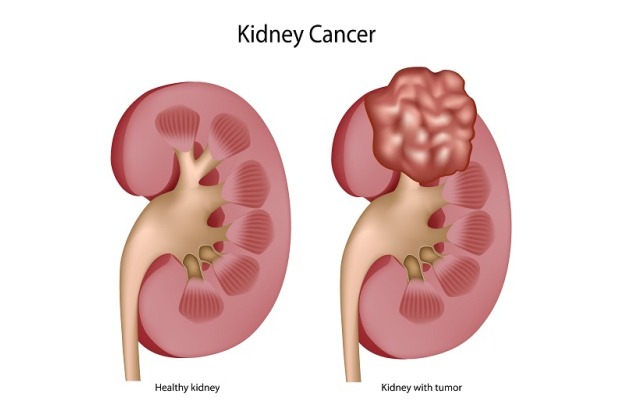
Kidney cancer, also known as renal cell carcinoma, is one of the most common cancers affecting the urinary system. While it accounts for only 2–3% of all cancers in adults, its incidence is steadily rising due to better health awareness and increased use of routine imaging tests. Early detection and timely treatment play a crucial role in achieving successful outcomes.
In this blog, we will discuss the causes, risk factors, symptoms, diagnosis, treatment options, and recovery process for kidney cancer.
What is Kidney Cancer?
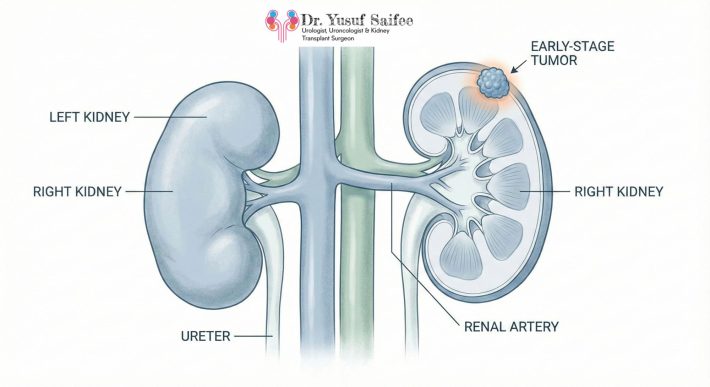
Kidney cancer develops when abnormal cells in the kidney grow uncontrollably, forming a tumor. The most common type is renal cell carcinoma (RCC), which originates in the lining of the small tubes within the kidney. Other rare types include transitional cell carcinoma, Wilms tumor (common in children), and sarcomas.
Kidneys are vital organs that filter waste and excess fluid from the blood, regulate blood pressure, and maintain electrolyte balance. When cancer affects the kidney, these essential functions may be compromised, which makes timely treatment critical.
Risk Factors for Kidney Cancer
Several factors can increase the risk of developing kidney cancer:
- Age & Gender – More common in men over 50 years of age.
- Smoking – Doubles the risk compared to non-smokers.
- Obesity – Excess body weight is linked to hormonal changes that may trigger cancer growth.
- High Blood Pressure – Long-standing hypertension increases risk.
- Family History – Genetic predisposition or inherited syndromes such as Von Hippel-Lindau disease.
- Chronic Kidney Disease & Dialysis – Patients on long-term dialysis are at higher risk.
- Occupational Exposure – Contact with certain chemicals.
Symptoms of Kidney Cancer
Kidney cancer is often called a “silent disease” because it may not produce symptoms in the early stages. Many cases are detected incidentally during ultrasound or CT scans done for other reasons.
Common symptoms include:
- Blood in urine (Hematuria) – May appear pink, red, or cola-colored.
- Flank Pain – Persistent pain in the back or side.
- Lump in the abdomen – A palpable mass near the kidney region.
- Unexplained weight loss – Not related to diet or exercise.
- Fatigue and weakness – Due to anemia or cancer-related changes.
- Fever and night sweats – Without infection.
If you experience any of these warning signs, consult a urologist immediately.
Diagnosis of Kidney Cancer
Timely and accurate diagnosis is essential. Common tests include:
- Ultrasound – Often the first test that detects a suspicious kidney mass.
- CT Scan or MRI – Provides detailed imaging to confirm the size and extent of the tumor.
- Blood & Urine Tests – To check kidney function and overall health.
- Biopsy – In selected cases, a tissue sample may be examined to confirm cancer type.
- Bone Scan or PET Scan – If there is suspicion of cancer spread (metastasis).
Treatment Options for Kidney Cancer
Treatment depends on the stage, size, and spread of the tumor, along with the patient’s overall health.
- Surgery (Mainstay of Treatment)
-
- Partial Nephrectomy – Removal of only the tumor and part of the kidney, preserving kidney function.
- Radical Nephrectomy – Removal of the entire kidney, adrenal gland (if needed), and surrounding tissue.
- Laparoscopic & Robotic Surgery – Minimally invasive approaches that reduce pain, complications, and hospital stay.
- Targeted Therapy
-
- Drugs that block specific pathways promoting cancer growth, such as VEGF inhibitors.
- Immunotherapy
-
- Boosts the body’s immune system to fight cancer cells.
- Radiation Therapy
-
- Used in selected cases, especially if the cancer has spread to other organs like bones.
- Active Surveillance
-
- In elderly or unfit patients with small tumors, careful monitoring may be considered instead of immediate surgery.
Recovery After Kidney Cancer Surgery
Most patients recover well after laparoscopic or robotic surgery. Hospital stay usually lasts 2–4 days, and normal activities can be resumed within 1-2 weeks.
Recovery tips include:
- Following a balanced, kidney-friendly diet.
- Staying hydrated, but avoiding excessive salt.
- Gentle physical activity to regain strength.
- Regular follow-up scans and blood tests to monitor recurrence.
Can Kidney Cancer Be Prevented?
While not all cases are preventable, lifestyle changes can significantly reduce risk:
- Quit smoking and avoid tobacco in any form.
- Maintain a healthy weight through diet and exercise.
- Control high blood pressure with medications and lifestyle measures.
- Stay hydrated and limit alcohol intake.
- Undergo regular health check-ups, especially if you have risk factors.
Living Beyond Kidney Cancer
A kidney cancer diagnosis can feel overwhelming, but advancements in minimally invasive surgery, targeted therapy, and immunotherapy have transformed outcomes. With timely detection and expert care, survival rates are significantly improving.
It is important to stay positive, follow medical advice, and focus on holistic well-being – including nutrition, exercise, and mental health.
Why Choosing the Right Surgeon Matters?
Kidney cancer surgery is a delicate procedure that requires both precision and experience. The goal is not only to remove the tumor but also to preserve as much healthy kidney tissue as possible and minimize complications.
With over 15 years of expertise, Dr. Yusuf Saifee is a trusted name in laparoscopic and robotic kidney cancer surgeries. His approach ensures:
- Accurate diagnosis and personalized treatment planning
- Minimally invasive surgery for less pain, quicker recovery, and shorter hospital stays
- Maximum preservation of kidney function for long-term health
- Reduced risk of complications during and after surgery
- Comprehensive follow-up care for monitoring recovery and preventing recurrence
Choosing an experienced kidney cancer surgeon like Dr. Yusuf Saifee can make a life-changing difference in outcomes, giving patients the confidence to return to their normal lives quickly and safely.
Conclusion
Kidney cancer may be a challenging diagnosis, but with early detection, advanced surgical techniques, and comprehensive care, most patients can return to normal, healthy lives. If you or your loved one is at risk, don’t delay consultation and screening. Remember, timely action saves lives.