
How Long Does Recovery From Prostate Surgery Take?
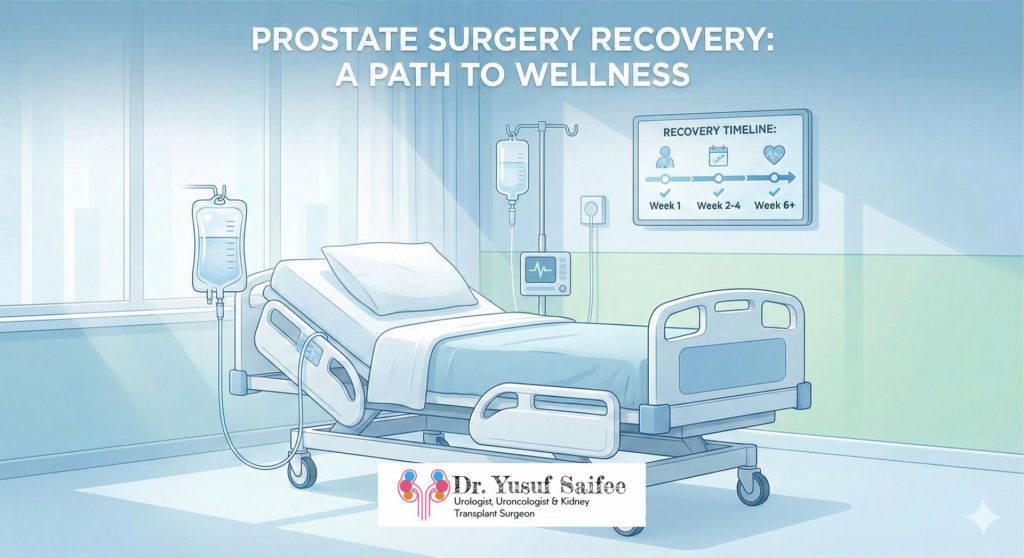
Recovering from prostate surgery can feel like a long journey, and understanding what lies ahead often brings comfort. This guide walks you through every stage of the healing process so you know what to expect, how to support your body, and when to seek help. With the right care and a little patience, most men regain strength, confidence, and normal daily function over time.
What Happens During the First Few Days After Surgery?
The first phase of recovery begins in the hospital. Most men stay for one to three days depending on the type of surgery and overall health. Your medical team monitors your urine output, pain levels, mobility, and catheter care.
Right after surgery, it is common to feel tired. Mild pain or pressure in the pelvic area is expected. Nurses will encourage you to walk as soon as possible because gentle movement reduces the risk of blood clots and supports bowel function. You will be taught how to handle the catheter since it usually remains in place for about a week.
Small amounts of blood in urine and mild leakage around the catheter are normal at this stage. These early days are about stabilising, resting, and learning how to care for yourself at home.
What Should You Expect in the First Week at Home?
Once you return home, the focus shifts to comfort, safety, and steady healing. Most men continue to experience tiredness along with slight discomfort near the incision sites. Avoid strenuous work, lifting heavy objects, or sudden movements. Walking short distances around your home helps circulation and prevents stiffness.
Catheter care remains the main task. Keeping the area clean prevents infection. Drinking plenty of water keeps urine clear and reduces irritation. You may notice light bleeding from time to time, especially when walking or changing positions. This is normal and typically improves each day.
Rest is important but lying down all day slows recovery. Aim for a balance of short activity periods and gentle rest throughout the day.
How Long Does Catheter Removal and Early Healing Take?
The catheter is usually removed after seven to ten days. Once it is out, you may feel a stronger urge to urinate or experience mild burning for a short period. Leakage is very common because the pelvic floor muscles need time to regain strength. Many men use pads during this phase and practice pelvic floor exercises every day.
Once you get used to the new sensations, the discomfort decreases. Your doctor may schedule a follow-up visit to check healing, review pathology reports if applicable, and plan your next steps.
When Does Energy Start to Return?
Most men start regaining energy between two and four weeks. Pain reduces significantly and daily tasks become easier. Light walks outdoors, simple household activities, and gentle stretching can be added gradually.
It is still too early for the gym, intense cycling, or heavy lifting. Doing too much can strain the surgical area. Your body is still recovering internally even if the outside looks healed.
Good nutrition and hydration support your energy levels. Small meals, fresh produce, adequate protein, and plenty of water can make a noticeable difference.
What About Urinary Control and Leakage?
Regaining urinary control is one of the biggest concerns for patients. Every person improves at a different pace. Most men notice progress within a few weeks, while others may need a few months.
Pelvic floor exercises, when done correctly and consistently, help strengthen the muscles that control urine flow. Some men benefit from physiotherapy sessions designed specifically for pelvic health. Avoiding caffeine and alcohol during early recovery can also reduce leakage.
In most cases, urinary control continues to get better month by month as the tissues heal and the muscles adapt.
When Is Sexual Function Expected to Improve?
Sexual recovery after prostate surgery takes time. Many men experience temporary weakness in erections or reduced desire. This is normal and happens because nerves around the prostate are delicate and need time to heal.
For those who had nerve-sparing surgery, improvement is often seen over several months. Medications, vacuum devices, and penile rehabilitation plans may be recommended to support recovery.
It is important not to feel discouraged. Sexual function usually improves gradually with patience and consistent medical guidance.
How Long Before You Can Return to Work?
This depends largely on your job type. Those with desk jobs often return within two to four weeks. Jobs involving physical labour may require four to eight weeks.
Listen to your body. If you still feel tired or uncomfortable sitting for long periods, allow yourself more time. Your doctor will guide you based on your healing, energy levels, and surgery type.
What Activities Are Safe During Recovery?
You can walk every day, increase steps gradually, and perform gentle stretching after the first week. Most normal household tasks are fine as long as they do not involve lifting more than five to seven kilograms.
Activities to avoid during early recovery include:
- Cycling
- Jogging
- Swimming
- Heavy workouts
- Long travel without breaks
- Straining during bowel movements
Your surgeon typically clears you for full activity after six to eight weeks if healing is smooth.
What Signs Should Prompt a Visit to the Doctor?
Certain symptoms require quick medical attention to prevent complications. Contact your doctor if you notice:
- Fever or chills
- Persistent burning during urination
- Increasing pain not relieved by medication
- Redness or discharge from the surgical site
- Blood clots in urine
- Difficulty passing urine once the catheter is removed
Catching problems early helps you recover without delays.
How Does Long-Term Recovery Look?
Most men feel significantly better by the six-week mark. Urination becomes steadier, energy levels rise, and sexual recovery gradually begins.
By three months, daily life feels almost normal for most patients. Some may continue to experience small leaks when sneezing or lifting. Others may still be regaining sexual function. These changes are expected and tend to improve with time.
Long-term follow-up visits help monitor progress, track PSA levels if needed, and address any lingering concerns.
What Can You Do to Support a Smooth Recovery?
A few habits can improve healing:
- Drink enough water every day
- Eat a balanced diet with fibre to avoid constipation
- Practise pelvic floor exercises regularly
- Rest when needed
- Keep incisions clean and dry
- Avoid alcohol and smoking
- Follow all medical advice closely
These steps reduce complications and help you return to your usual routine sooner.
Frequently Asked Questions
How painful is recovery from prostate surgery?
Pain is usually mild to moderate and improves within one to two weeks. Medication and light activities help manage discomfort.
When can I drive again?
Most men resume driving after two weeks once pain is controlled and they can sit comfortably.
Is leakage permanent after prostate surgery?
No. Leakage is common early on but usually improves over several months with pelvic floor exercises.
How long does sexual recovery take?
It varies widely. Some men notice improvement in a few months while others take longer depending on nerve healing and age.
When can I resume exercise?
Gentle walking is encouraged early. More intense activities are usually allowed after six to eight weeks.