

Find the Best Urologist Near You for Prostate Surgery and Treatment
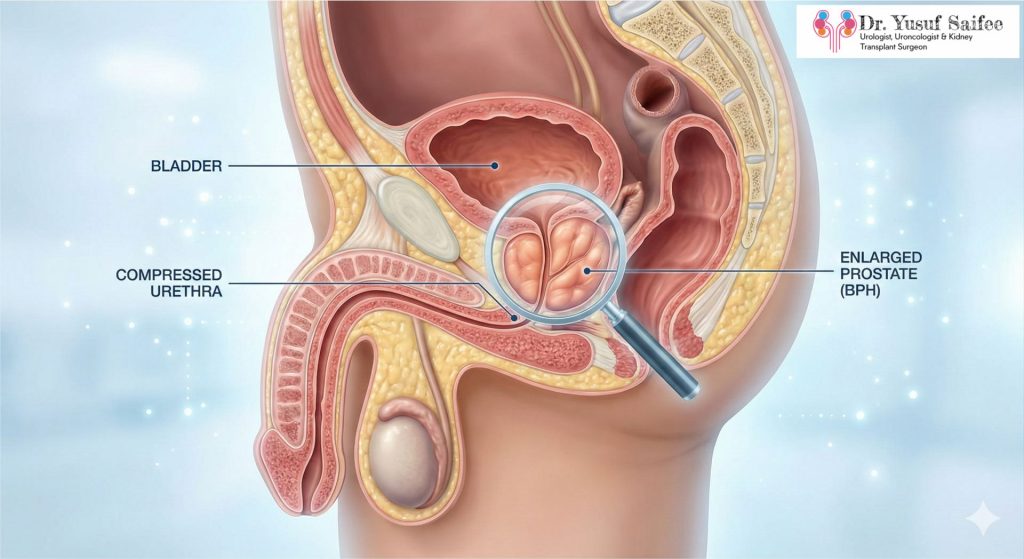
Prostate issues are extremely common after the age of 45, yet most men delay seeking help because symptoms start mildly and feel easy to ignore.
Whether you’re dealing with frequent urination, pelvic pressure or rising PSA levels, choosing the right treatment and the right doctor can protect your long-term health.
This guide walks you through common prostate conditions, treatment paths, surgery preparation and recovery so you know exactly how to move forward without confusion.
What Are the Most Common Prostate Problems and Why Do They Occur?
Prostate problems usually fall into three categories: Benign Prostatic Hyperplasia (BPH), prostate infections, and prostate cancer. While each has different risks, they often begin with similar urinary symptoms. Knowing what triggers these problems helps you understand which treatment path fits your condition.
Useful things to know:
- BPH happens when prostate cells multiply with age, causing the gland to press against the urethra.
- Prostate infections can come from bacteria, urinary retention, or inflammation after sexual activity.
- Cancer develops when abnormal cells grow uncontrollably, but early-stage prostate cancer often has no obvious symptoms.
- A rising PSA level can indicate enlargement, inflammation or cancer which makes regular monitoring important.
- Family history, obesity, hormonal changes and chronic inflammation increase long-term risk.
Which Symptoms Should Make You Explore Prostate Treatment?
Recognising symptoms early prevents complications such as urinary retention, kidney strain and recurrent infections. Even mild changes may signal a developing issue, especially if they persist for more than a few weeks.
Symptoms worth paying attention to include:
- Slow, weak or interrupted urine flow caused by narrowing of the urethral passage
- Increased nighttime urination which points to bladder irritation
- Difficulty starting urination due to pressure from an enlarged prostate
- Pelvic discomfort or burning during urination which may signal infection
- Incomplete bladder emptying which increases the risk of stones and infections
- Blood in urine or an unexpectedly high PSA level that needs timely evaluation
What Treatment Options Are Available for Prostate Enlargement and Prostate Cancer?
Treatment depends on whether your condition is mild, moderate or advanced. Most men start with conservative options and move toward procedures only when symptoms interfere with quality of life. Understanding the possibilities helps you prepare for discussions with your doctor.
Lifestyle and Self-Care Measures
These are usually recommended as first-line adjustments for early BPH or mild symptoms.
- Increasing hydration helps the bladder empty more efficiently
- Regular exercise reduces pressure on the pelvic area
- Limiting caffeine, alcohol and spicy foods lowers urinary urgency
- Diets rich in vegetables, tomatoes, berries and pumpkin seeds support prostate wellness
Medications
Doctors may prescribe medicines that control overgrowth or ease bladder discomfort.
- Alpha-blockers relax prostate muscles to improve flow
- 5-alpha-reductase inhibitors shrink prostate tissue over time
- Anti-inflammatory medicines help with swelling and pain
- Antibiotics target bacterial prostatitis when needed
Minimally Invasive Procedures
These are suitable when medicines stop working or cause side effects.
- Steam therapy reduces excess tissue by releasing targeted heat
- Laser-based therapy breaks down overgrown tissue with precision
- Prostate lift procedures reposition tissue without removal
- These options typically offer quicker recovery with fewer long-term complications
Surgical Procedures
Surgery is recommended when obstruction becomes severe or when cancer treatment is required.
- Tissue removal surgeries help restore strong urine flow
- Larger prostates may need more extensive removal techniques
- In cancer cases, removal of the prostate gland may be the most effective option
How Should You Prepare if Prostate Surgery Is Suggested?
Good preparation helps reduce surgery risks, shorten recovery time and improve long-term results. This stage allows you to clarify expectations and understand how surgery will impact daily activities temporarily.
Before surgery, it is useful to:
- Review your current medications because some blood thinners and supplements must be paused
- Complete a PSA test and imaging examinations to map prostate size
- Ask how long you may need a catheter and how hospital recovery works
- Understand bowel prep instructions if required
- Check whether your insurance covers the recommended procedure
- Discuss sexual and urinary function expectations realistically
During surgery, depending on the technique:
- A camera and fine instruments are inserted to remove or reposition tissue
- Bleeding is usually minimal with modern methods
- The procedure time varies from 45 minutes to a few hours
What Can You Expect During Recovery After Prostate Surgery?
Recovery depends on the type of surgery, but most men experience steady improvement over a few weeks. Understanding what is normal helps you avoid unnecessary worry and take the right precautions.
In the first few days:
- A catheter helps the bladder rest and heal
- Mild bleeding or pinkish urine is common
- Burning sensations occur as the urinary tract recovers
- Pain control and hydration support early healing
Over the next two to six weeks:
- Walking regularly improves circulation and reduces clot risk
- Heavy lifting should be avoided
- Drinking plenty of water helps flush the bladder
- Sexual function may take time to return depending on the procedure
Short-term side effects may include:
- Temporary urinary leakage
- Urgency or increased frequency
- Mild pelvic discomfort
These gradually improve with healing and pelvic floor exercises.
How Do You Find the Best Urologist Near You for Prostate Surgery and Treatment?
Finding the right urologist can feel overwhelming when you are dealing with prostate symptoms or preparing for surgery. Prostate conditions like BPH, infections or cancer need a doctor who is skilled, patient and easy to talk to.
Good steps to follow:
- Look for a doctor who focuses on BPH management and prostate cancer treatment
- Review patient experiences from clinics in your city
- Ask about the number of prostate surgeries they perform yearly
- Check whether they offer minimally invasive options
- Confirm strong follow-up and long-term monitoring plans
Use appointment platforms that provide quick scheduling and transparent details
Consult with Dr. Yusuf Saifee, one of the most leading Urologist and Kidney Cancer Surgeon in Mumbai and Indore for a comprehensive diagnosis today! Follow us on Facebook for the latest Kidney stones treatment and update here!
How Can You Maintain Better Prostate Health Long Term?
Long-term prostate wellness depends on consistent habits. Even after surgery or treatment, the gland and surrounding structures respond well to healthy routines.
Helpful habits include:
- Adding lycopene-rich foods like tomatoes and watermelon
- Maintaining a healthy weight to reduce hormonal imbalance
- Practicing regular exercise to improve circulation
- Limiting processed meats and refined sugar
- Staying hydrated throughout the day
- Getting annual PSA checks for early detection of new changes
FAQs
- What should I do if I start noticing prostate symptoms?
If urinary changes or pelvic pressure develop it’s best to schedule an evaluation along with a PSA test. Early checks help identify whether it’s an enlargement infection or something more serious so treatment can begin before symptoms worsen.
- When does prostate enlargement require surgery?
Surgery becomes necessary when medicines no longer control symptoms or complications appear such as retention infections or significant blockage. Doctors choose techniques based on prostate size symptom severity and overall health to ensure the safest outcome.
- Are minimally invasive prostate procedures a reliable long-term option?
Many men experience strong long-term relief with minimally invasive procedures especially for moderate enlargement. They reduce excess tissue, improve urine flow and usually require minimal downtime though suitability depends on prostate size and individual medical factors.
- How long does it take to recover fully from prostate surgery?
Initial recovery usually takes one to two weeks while deeper healing continues for several more depending on the technique. Walking, staying hydrated and attending follow-up visits help ensure steady improvement throughout the recovery period.
- Can prostate symptoms improve without surgery?
Yes lifestyle changes, medicines and timely medical care often help mild or moderate symptoms. Surgery is usually recommended only when non-surgical treatments stop working or complications appear making early evaluation important for long-term comfort.
- Which foods support better prostate function?
Tomatoes, berries, leafy greens, nuts, pumpkin seeds and whole grains help support prostate health. Reducing caffeine alcohol and spicy foods often decreases urinary irritation and improves comfort especially for those experiencing mild symptoms.
- What does a rising PSA level usually indicate?
A rising PSA may suggest enlargement inflammation infection or sometimes cancer. It acts as a warning sign rather than a diagnosis which is why doctors use imaging and further tests to understand the exact cause.
- Do prostate infections lead to long-term issues if untreated?
Delayed treatment can cause recurrent flare-ups pelvic pain or urinary obstruction. Prompt diagnosis and reviewing any repeated infections help protect long-term prostate health and reduce the chances of complications over time.
- How often should prostate screenings be done?
Men over forty-five or those with a family history benefit from yearly screenings. Doctors may adjust frequency based on PSA patterns symptoms and overall risk helping detect issues early when they’re easier to manage.
- When should I seek urgent medical attention for prostate problems?
Seek immediate help if you cannot urinate, experience severe pelvic pain, notice blood in urine or develop fever with chills. These symptoms can indicate infection or blockage and require prompt treatment to prevent complications.
